
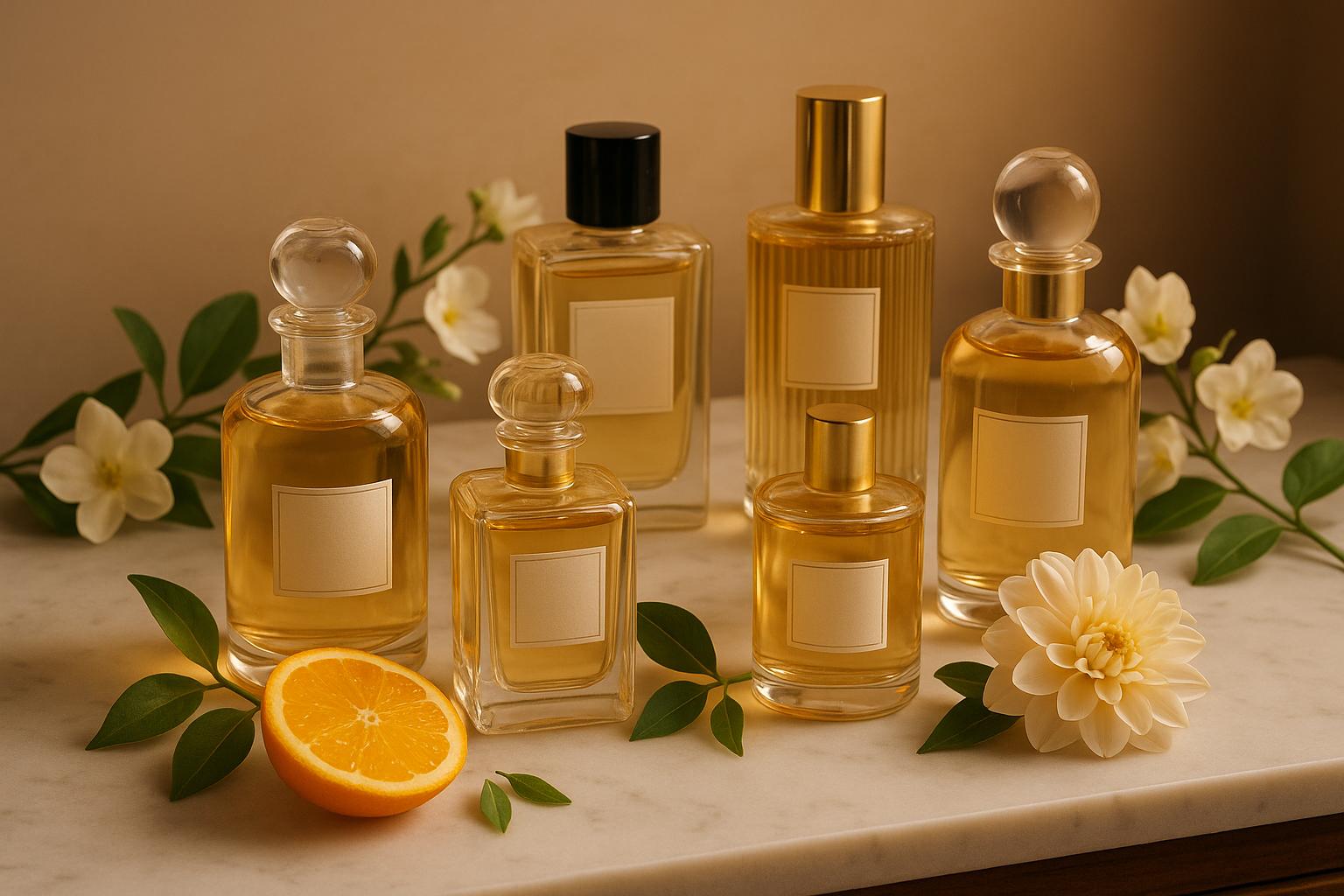
I used to be the person who just grabbed any perfume that smelled nice at the store, only to regret it later. Either it was too strong for work, clashed with my outfit, or faded away within an hour. Picking and matching perfume isn’t as hard as it seems—you don’t need to be a “fragrance expert” or memorize fancy terms. It’s just about knowing what scents work for different moments, how to test them properly, and how to pair them with your clothes. After years of trial and error (and a few bottles I never wear), I’ve put together this no-nonsense guide—perfect for anyone who wants to smell good, feel confident, and avoid the common mistakes I made.
First, let’s break down the three main perfume notes you’ll come across—no jargon, just what they actually smell like and when to wear them. The first is floral scents. These are the most popular, and for good reason—they’re fresh, feminine, and versatile. Think roses, jasmine, or lilies—soft, romantic, and not too overpowering. I love floral scents for days when I want to feel put-together but not over-the-top. Next, woody scents—these are warmer, richer, and more earthy. Notes like sandalwood, cedar, or pine give off a sophisticated, grounded vibe. They’re perfect for cooler weather or when you want to feel a little more elegant. Then there are fruity scents—bright, zesty, and fun. Think citrus (lemon, orange), berries, or tropical fruits—they’re energetic and refreshing, great for warmer days or casual outings. I used to avoid fruity scents because I thought they were “too young,” but a good fruity perfume is light and not too sweet.
Now, let’s talk about occasions —context matters more than you think when picking a perfume. For daily commute, you want something subtle and not overwhelming. You don’t want to be that person whose perfume fills the entire office—keep it light and fresh. Floral or fruity scents work best here—they’re pleasant but not intrusive. I wear a light floral perfume to work every day; it’s enough to make me feel confident, but it doesn’t distract my coworkers. For dinner dates or parties , you can go a little bolder. Woody scents are perfect here—they’re warm and romantic, and they last longer than lighter scents. A rich woody perfume pairs great with a fancy outfit, and it lingers just enough to leave a memorable impression. I also love pairing a floral scent with a touch of woody notes for dates—it’s romantic but not too heavy.
One tip I wish I knew earlier: matching your perfume to your clothes’ color. It sounds a little silly, but it makes a big difference in how the scent feels. For light-colored clothes (white, beige, pastels), go for light, fresh scents—floral or fruity. These scents complement the softness of light colors and don’t clash. For dark-colored clothes (black, navy, dark gray), woody scents are better—they add warmth and depth to the dark fabric, making the whole look feel more polished. I made the mistake once of wearing a fruity perfume with a black dress to a dinner party, and it felt off—now I always pair dark clothes with woody scents, and it’s a game-changer. For bright-colored clothes (red, yellow, pink), a fruity scent works best—it matches the energy of the color and feels fun and lively.
Now, the most important part: how to test perfume correctly. I used to spray a perfume on my wrist and smell it right away, but that’s a mistake—perfumes change over time (they have “top notes” that fade quickly and “base notes” that last longer). The right way is simple: spray a small amount on the inside of your wrist (this area is warm and helps the scent develop), then gently pat your wrists together (don’t rub—rubbing breaks down the scent and makes it fade faster). Wait a few seconds (10-15 is enough) and then smell it. This gives the top notes a chance to settle, so you get a better idea of what the perfume will actually smell like on your skin. Don’t spray too much—one or two sprays is enough. And never test more than 2-3 perfumes at a time—your nose will get tired, and you won’t be able to tell the difference between them.
A few extra mistakes to avoid: Don’t buy a perfume without testing it first. I once bought a perfume online because it smelled good in the description, and it turned out to be way too strong for me—I’ve never worn it. Also, don’t overspray. Less is more—you want people to smell your perfume when they’re close to you, not from across the room. I used to spray 4-5 times, and it just made people uncomfortable—now I stick to 1-2 sprays, and it’s perfect. Another tip: Apply perfume to pulse points (wrists, neck, behind the ears)—these areas are warm and help the scent last longer.
At the end of the day, picking a perfume is about what makes you feel confident. You don’t need to follow all the rules—if you love a woody scent for work, go for it (just keep it subtle). The key is to find scents that fit your style and the occasion, and test them the right way so you know they work for you. Whether you’re into floral, woody, or fruity scents, these tips will help you pick and match perfume without the stress. Trust me—once you get the hang of it, it’ll become a simple part of your routine, and you’ll never regret a perfume purchase again.