
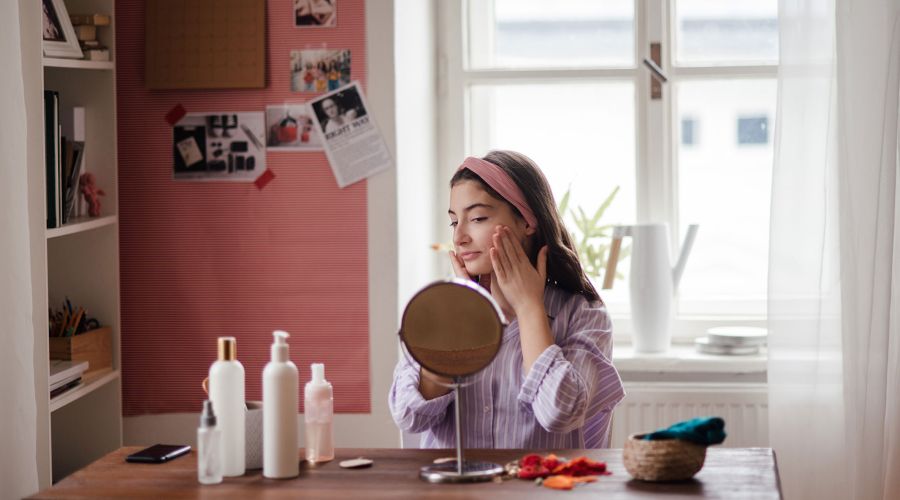
I used to be one of those people who stuck to the same skincare routine all year round—same cleanser, same moisturizer, same everything. Spoiler: it didn’t work. My skin would get dry and flaky in winter, oily and breakout-prone in summer, and red and itchy in spring. It took me years to realize that skincare isn’t a one-size-fits-all thing; you have to adjust it with the seasons, just like you switch out your clothes. These are the simple, no-nonsense strategies I use now—no fancy products, no complicated steps, just what actually works for my skin (which is combination, with a little sensitivity).
Let’s start with spring. As the weather warms up and flowers start blooming, my skin always freaks out a little. Pollen and changing temperatures make it red, itchy, and prone to small breakouts—so spring is all about anti-sensitivity and hydration. I used to skip the “anti-sensitivity” step and just slather on more moisturizer, but that made it worse. Now, I swap my regular cleanser for a gentle, fragrance-free one (harsh cleansers strip your skin and make sensitivity worse) and add a simple hydrating serum with hyaluronic acid. It’s lightweight, so it doesn’t feel greasy, and it keeps my skin moisturized without clogging pores. I also avoid heavy creams in spring—they’re too thick for the warming weather and can make my skin feel stuffy. The key here is to soothe first, hydrate second, and keep things simple.
Summer is all about sun protection and oil control—two things I used to neglect, and my skin paid for it. A few years ago, I spent a summer skipping sunscreen (I thought “a little tan” was fine) and ended up with sunburn, dark spots, and super oily skin. Now, sunscreen is non-negotiable—even on cloudy days. I use a lightweight, oil-free sunscreen (no thick, greasy formulas that make my skin shine more) and reapply it every 2-3 hours if I’m outside. For oil control, I don’t use harsh toners or drying products (they just make your skin produce more oil to compensate). Instead, I use a gentle toner with witch hazel to calm my skin and a light, gel-based moisturizer that keeps it hydrated without adding extra oil. I also exfoliate once a week with a mild scrub to get rid of dead skin cells—this helps prevent breakouts from all that summer sweat and oil.
Fall is when the air gets dry and cool, and my skin starts to feel tight and dull—so it’s time to focus on repair and locking in moisture. After summer, my skin is usually a little damaged from the sun, so I swap my gel moisturizer for a richer, cream-based one. I also add a repair serum with ceramides—they help fix the skin barrier that gets worn down from summer sun and fall wind. I used to skip this step and just use more moisturizer, but my skin still felt dry. The ceramides make a huge difference—they lock in the moisture so my skin stays soft all day. I also cut back on exfoliation in fall (only once every two weeks) because the dry air already makes my skin more sensitive, and too much exfoliation would irritate it. The goal here is to repair the damage from summer and prep your skin for the colder months ahead.
Winter is the harshest season for my skin—cold winds, dry indoor heat, and low humidity all make it dry, flaky, and even prone to fine lines. So winter’s focus is anti-aging and thickening the skin barrier. I switch to a super rich, creamy moisturizer (the kind that feels a little heavy at first but sinks in quickly) and add an anti-aging serum with retinol (but I start slow—retinol can be harsh if you use too much). I also use a facial oil at night—just a few drops mixed with my moisturizer—to add an extra layer of protection. I used to avoid facial oils because I thought they’d make my skin oily, but they actually lock in moisture and keep my skin from getting flaky. Another tip: I turn down the heat in my bedroom at night (dry heat is terrible for skin) and use a humidifier to add moisture to the air. It’s a small change, but it makes a big difference in how my skin feels in the morning.
A few extra tips that apply to all seasons: drink plenty of water (skincare starts from the inside out), don’t overcomplicate your routine (more products don’t mean better results), and pay attention to how your skin feels. If your skin is feeling tight, add more hydration; if it’s oily, switch to lighter products. I also avoid products with too many fragrances or harsh chemicals—they irritate my skin, no matter the season.
The biggest lesson I’ve learned is that skincare is about being flexible. You don’t have to completely overhaul your routine every season—just make small adjustments to fit what your skin needs. Spring: soothe and hydrate. Summer: protect and control oil. Fall: repair and lock in moisture. Winter: anti-aging and strengthen the barrier. It’s simple, it’s doable, and it works. Your skin will thank you for paying attention to the seasons—and you’ll feel more confident knowing your routine is actually working for you, not against you.