
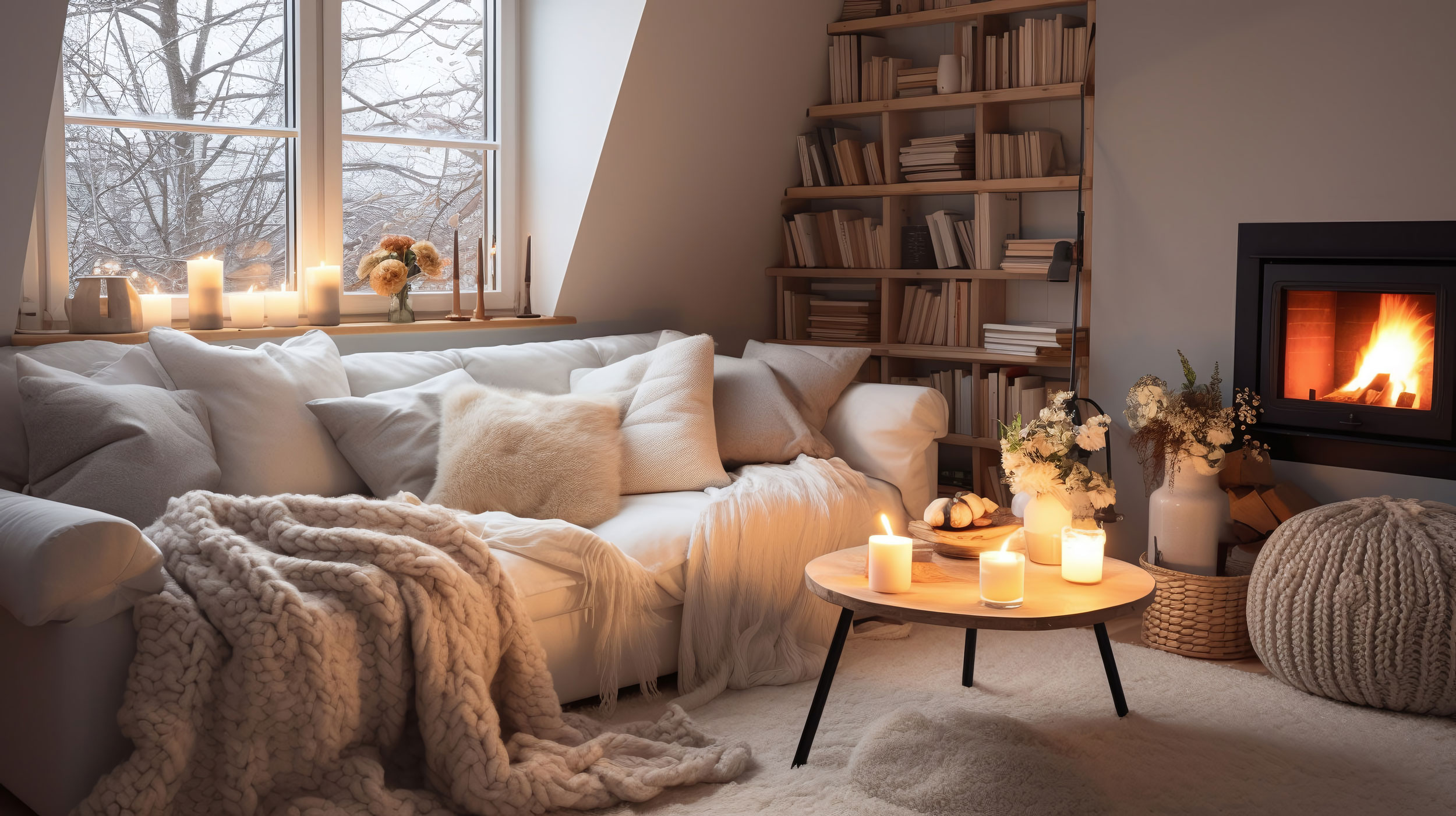
After a long, tiring day of work or study, there’s nothing more comforting than returning home—a space where I can take off my shoes, sink into the sofa, and let all the stress and fatigue melt away. I used to pay little attention to my home’s atmosphere, thinking it was just about having a clean space. But I soon realized that a home’s vibe has a huge impact on my mood: a cold, dull room would make me feel anxious and restless, while a warm, cozy space could calm my mind and lift my spirits. A healing living space isn’t about being luxurious or perfect; it’s about creating a place that feels safe, comfortable, and nurturing. These three small, easy tips helped me transform my home into a healing haven, and they can help you too.
The first tip is color matching: choose soft, warm colors (such as off-white, light gray, and pale blue) and avoid bright, harsh colors. Colors have a powerful effect on our emotions—bright reds or neon hues can stimulate our nerves and make us feel tense, while soft, muted tones can soothe our minds and create a sense of calm. When decorating your home, use these gentle colors as the main palette: paint the walls off-white or light gray, choose a sofa in pale blue or beige, and add soft-colored cushions or curtains. You don’t need to repaint the entire house or buy new furniture; even small touches, like a light-colored tablecloth or a set of soft cushions, can make a big difference. The goal is to create a space that feels warm and inviting, like a hug for your mind.
The second tip is green plant decoration: place easy-to-care-for green plants (such as pothos, succulents, and monstera) to add vitality and a healing feeling. There’s something magical about bringing a touch of nature into your home—green plants not only purify the air but also add life and freshness to any space. For lazy people or those who don’t have a green thumb, choose plants that are low-maintenance: pothos can thrive in low light and only needs to be watered once a week; succulents require little water and can survive even if you forget about them sometimes; monstera grows quickly and adds a lush, tropical feel to your home. Place them on windowsills, coffee tables, or shelves—their green leaves will brighten up the space and make you feel closer to nature, which is a great way to relieve stress.
The third tip issensory creation: use aromatherapy, soft lighting, and soothing music to engage your sight, smell, and hearing, and relax your body and mind. A healing space should appeal to all your senses, not just your eyes. For smell, light a scented candle or use an essential oil diffuser with calming scents like lavender, chamomile, or sandalwood—these scents can reduce anxiety and help you relax. For sight, replace harsh overhead lights with soft table lamps or string lights; warm, dim light is more comforting than bright, cold light and creates a cozy atmosphere. For hearing, play soft, soothing music (such as instrumental music, nature sounds, or light jazz) in the background—this can drown out noise from the outside and help you focus on the present moment. By engaging all your senses, you’ll create a space that feels like a retreat, where you can truly let go and recharge.
At its core, a healing living space is all about “comfort”. It’s not about following trends or having a perfect home; it’s about creating a space that fits your needs, makes you feel safe, and allows you to relax and recharge. These three small tips—soft color matching, green plant decoration, and sensory creation—are simple, affordable, and easy to implement. You don’t need to spend a lot of money or time; even small changes can make your home a more healing place. Remember, your home is your sanctuary. Taking the time to create a space that nurtures your mind and body is the kindest thing you can do for yourself. After all, a little comfort at home can go a long way in healing the tiredness of the day.