
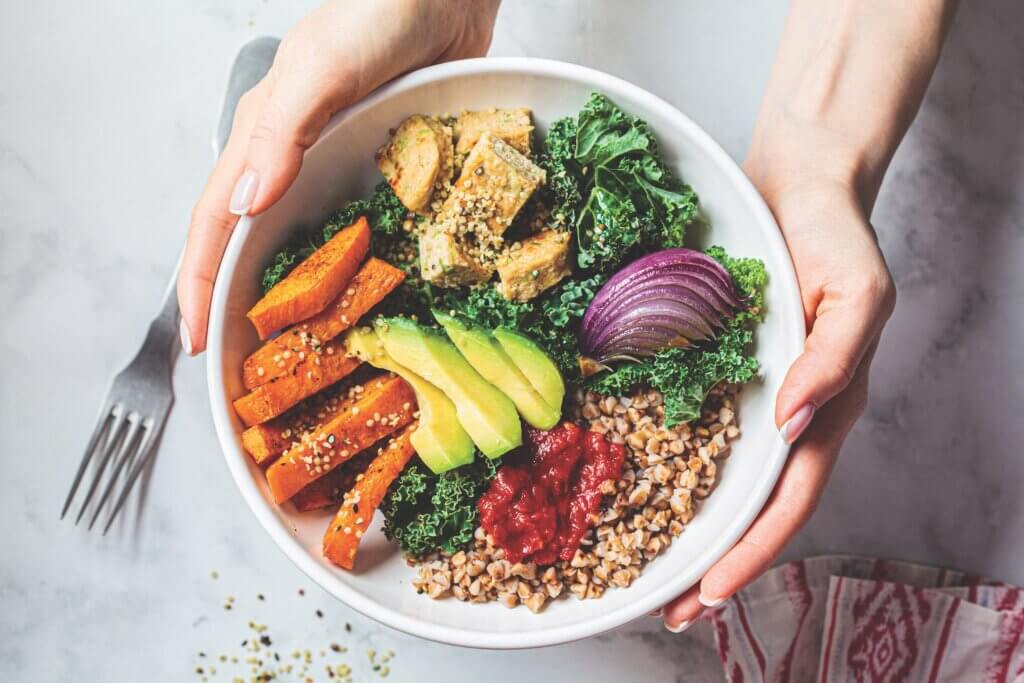
I used to be obsessed with “eating healthy”—or so I thought. For years, I followed all the so-called “nutritional rules” I’d seen online or heard from friends: I cut out all carbs, ate nothing but vegetables for lunch, chugged three glasses of milk a day, and popped a handful of vitamins every morning, convinced I was giving my body the best possible nutrition. Spoiler: I was wrong. Not only did I feel tired, irritable, and constantly hungry, but I later found out that most of the “healthy” habits I was clinging to were actually nutritional myths—ones that were doing more harm than good. It never occurred to me that following the wrong advice about nutrition could be worse than not trying at all. Mistakes in nutrition aren’t just harmless errors; they can lead to nutrient deficiencies, body strain, and even long-term health issues. Today, I want to share the biggest nutritional myths I’ve fallen for, and the truth behind them—no fancy jargon, just real lessons from someone who’s been there, done that, and learned the hard way.
Myth 1: Extreme Dieting = Nutrient Supplementation.
I used to think that the more I restricted what I ate, the healthier I’d be. I’d skip breakfast, eat a tiny salad for lunch (no dressing, no protein, just greens), and have a small bowl of soup for dinner, convinced that “eating less” meant “eating better.” I even tried crash diets where I cut out entire food groups—carbs, fats, even dairy—because I thought they were “bad.” But what I didn’t realize was that extreme dieting doesn’t supplement nutrition; it depletes it. When you starve your body of calories and essential nutrients, it can’t function properly. I started feeling weak, my hair started falling out, and I got sick all the time—all because my body wasn’t getting the fuel it needed. The truth is, nutrition is about nourishing your body, not punishing it. Extreme dieting leads to nutrient deficiencies, slows down your metabolism, and can even cause long-term damage to your organs. Instead of cutting out foods, focus on eating a balanced diet that includes all food groups—your body will thank you.
Myth 2: Dietary Supplements = Nutrient Replacement.
I used to keep a cabinet full of supplements—multivitamins, protein powders, omega-3 pills, and even collagen—convinced that they could replace a healthy diet. I’d skip a meal and take a vitamin instead, thinking, “This will give me all the nutrients I need.” But that’s not how nutrition works. Dietary supplements are meant to supplement a healthy diet, not replace it. The majority of the nutrients your body needs—like fiber, vitamins, and minerals—come from whole foods: fruits, vegetables, whole grains, lean proteins, and healthy fats. A supplement can’t replicate the complex mix of nutrients you get from a single apple, a serving of spinach, or a piece of chicken. I learned this the hard way when I relied on protein powder instead of real food for weeks; I felt bloated, sluggish, and my digestion was a mess. The truth is, if you’re eating a balanced diet, you probably don’t need supplements. And if you do take them, they should be a bonus, not a replacement for whole foods.
Myth 3: You Can Eat As Much As You Want of “High-Nutrient” Foods.
I used to think that because a food was “healthy,” I could eat as much of it as I wanted. Eggs are high in protein? I’d eat 5 a day. Nuts are full of healthy fats? I’d snack on a whole bag. Avocado is good for you? I’d put it on everything, even my cereal. But even the healthiest foods can be harmful if you eat too much of them. Eggs are a great source of protein, but eating too many can raise your cholesterol levels (especially if you have underlying health issues). Nuts are high in healthy fats, but they’re also calorie-dense—eating a whole bag can add hundreds of extra calories to your day. Avocado is nutrient-rich, but one medium avocado has about 250 calories—eat two or three, and you’re overdoing it. The truth is, moderation is key. Even high-nutrient foods need to be eaten in balance; too much of anything can put a strain on your body, whether it’s your digestive system, your heart, or your waistline. Listen to your body—eat until you’re full, not until you’re stuffed.
Myth 4: A Vegetarian Diet = Automatic Health.
I had a friend who went vegetarian and swore it was the healthiest decision she’d ever made, so I decided to try it too. I cut out all meat, fish, and dairy, and started eating mostly vegetables, fruits, and grains. I thought I was doing my body a favor—until I started feeling weak, tired, and dizzy all the time. It turns out, a vegetarian diet can be healthy, but only if it’s properly balanced. The mistake I made was not paying attention to the nutrients I was missing: protein, vitamin B12, iron, and calcium—all of which are primarily found in animal products. I didn’t replace those nutrients with plant-based alternatives (like lentils, tofu, or fortified cereals), so I ended up with a protein deficiency. The truth is, vegetarianism isn’t automatically healthy. It requires intentional planning to make sure you’re getting all the essential nutrients your body needs. If you want to try a vegetarian diet, do your research, or talk to a nutritionist—don’t just cut out animal products and hope for the best.
At the end of the day, nutrition is simpler than we make it out to be. We’re bombarded with so much conflicting advice—what to eat, what to avoid, how much to eat—that it’s easy to fall for myths and misconceptions. But the most important lesson I’ve learned is this: the key to good nutrition isn’t following strict rules or chasing the latest trends. It’s about being scientific—learning what your body needs, avoiding the myths that do more harm than good, and returning to the basics of whole, unprocessed foods.
Supplements aren’t a magic fix, extreme dieting isn’t a shortcut to health, and even healthy foods can be overdone. A vegetarian diet can be wonderful, but only if it’s balanced. The goal of nutrition is to nourish your body, not to punish it or overcomplicate it. I spent years following the wrong advice, and it took a toll on my health. But once I let go of the myths and focused on eating a balanced, varied diet, I started feeling better—more energized, stronger, and healthier than ever before.
So if you’re guilty of making any of these mistakes, don’t beat yourself up. We’ve all been there. The important thing is to learn from them, adjust your habits, and focus on what truly works. Nutrition isn’t about perfection; it’s about making small, sustainable choices that nourish your body and help you feel your best. By avoiding these common myths and returning to the basics of whole foods, you can finally get the nutrition your body deserves—and truly reap the benefits of good health.