
For years, I was confused about protein. I’d scroll through social media and see fitness influencers talking about “eating 100 grams of protein a day” like it was the secret to a perfect body, while my friend who’s a vegetarian kept telling me I was eating way too much. I’d stand in the grocery store, staring at chicken breasts and Greek yogurt, wondering: How much protein do I actually need? Is there such a thing as too much? And do I even need to worry about it if I’m not trying to build muscle? Sound familiar? If you’ve ever felt overwhelmed by all the conflicting advice about protein intake, you’re not alone. The truth is, there’s no one-size-fits-all answer—but it’s not as complicated as the fitness world makes it out to be. After months of asking questions, experimenting with my own diet, and talking to a nutritionist friend, I finally figured out how to calculate the right amount of protein for me. This isn’t a fancy, science-heavy guide—just real, honest advice from someone who’s been there, trying to navigate the chaos of protein intake without losing their mind. Let’s break it down.
First, let’s get one thing straight: Protein is important, but you don’t need to chug protein shakes or eat chicken for every meal to get enough. It’s a macronutrient that helps build and repair your body—your muscles, bones, skin, even your hair and nails depend on it. It also keeps you full, which can help with weight management, and gives you energy throughout the day. But how much is enough? The general rule of thumb that most nutritionists agree on is 0.8 grams of protein per kilogram of body weight per day. Wait, let me make that simple—if you weigh 70 kilograms (about 154 pounds), that’s 56 grams of protein a day. If you weigh 80 kilograms (about 176 pounds), that’s 64 grams. For most people—sedentary folks who don’t exercise regularly—this is the sweet spot. I used to think I needed way more, but when I calculated it, I realized I was already getting enough just by eating a balanced diet.
But here’s the catch: Not everyone is “most people.” If you exercise regularly—especially if you do strength training or high-intensity workouts—you need more protein. My nutritionist friend told me that active people need between 1.2 and 1.7 grams of protein per kilogram of body weight. For example, if you’re 70 kilograms and work out 3-4 times a week, you’d need 84 to 119 grams of protein a day. That makes sense because when you exercise, you’re breaking down muscle tissue, and protein helps repair and build it back stronger. I started working out regularly last year, and I noticed a difference when I upped my protein intake—my muscles recovered faster, I had more energy during workouts, and I didn’t feel as hungry between meals. But you don’t have to go to the extreme; even a small increase can make a big difference.
Another group that needs more protein? Older adults. As we get older, our bodies lose muscle mass (a process called sarcopenia), and eating more protein can help slow that down. Nutritionists recommend that adults over 65 get at least 1.2 grams of protein per kilogram of body weight—sometimes even more if they’re active. My grandma is 72, and she’s started adding more Greek yogurt, eggs, and lentils to her diet to make sure she’s getting enough. It’s a small change, but it helps her stay strong and mobile. The key here is that protein needs change as we age, so it’s important to adjust your intake accordingly.
Now, let’s talk about what happens if you eat too much protein. I used to worry that eating too much protein would damage my kidneys, but my nutritionist friend reassured me that for most healthy people, that’s not a concern. The myth comes from studies done on people with pre-existing kidney problems—for them, high protein intake can be harmful. But if your kidneys are healthy, eating more protein than you need won’t hurt you. It might just mean you’re eating more calories than necessary (if you’re not active), which could lead to weight gain. I’ve had days where I ate way more protein than I needed (hello, a big steak dinner), and I didn’t feel any different—no weird side effects, no discomfort. The body is pretty good at processing excess protein, so don’t stress if you go over your goal every once in a while.
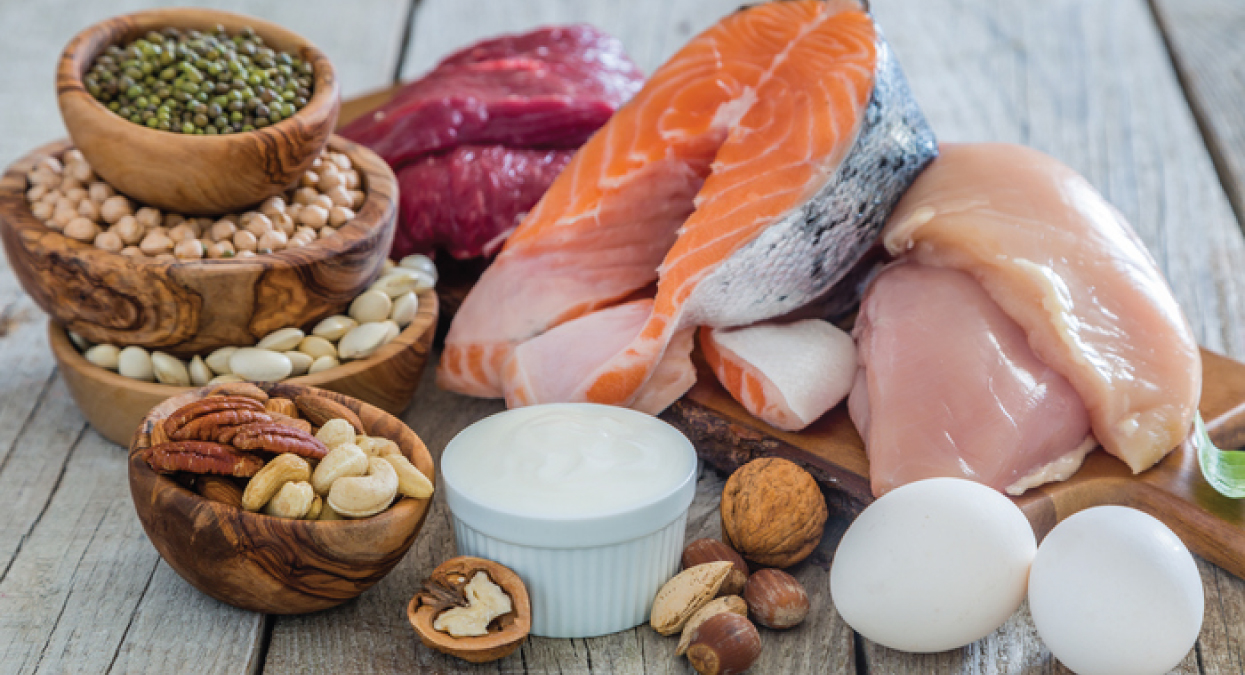
The biggest mistake I made when it comes to protein? Thinking that “more is better.” I used to force myself to eat protein even when I wasn’t hungry, just because I thought it would help me get fitter. But that’s not sustainable. Protein should be part of a balanced diet—along with carbs, healthy fats, fruits, and vegetables. You don’t need to track every gram unless you’re a competitive athlete or have specific health goals. For most of us, just being mindful of adding protein to each meal is enough. For example: eggs for breakfast, a chicken salad for lunch, a handful of nuts as a snack, and fish for dinner. That’s easy, right? I’ve found that when I focus on eating whole, unprocessed foods, I naturally get the right amount of protein without even trying.
Let’s make this practical. Let’s say you’re a 60-kilogram (132-pound) sedentary person—you need about 48 grams of protein a day. What does that look like in real food? A medium egg has about 6 grams of protein, a 100-gram serving of chicken breast has about 31 grams, a cup of Greek yogurt has about 10 grams, and a handful of almonds (about 20) has about 6 grams. That’s 48 grams right there—easy to fit into one day without any protein shakes or fancy supplements. If you’re active, say 70 kilograms and working out regularly, you need about 84 grams. Add a protein shake (about 25 grams) to your morning routine, and you’re almost there. The point is, you don’t need to overcomplicate it—real food is the best way to get protein.
I also want to address vegetarians and vegans—because I used to think it was impossible to get enough protein without eating meat. But that’s not true! There are plenty of plant-based protein sources: lentils, chickpeas, tofu, tempeh, quinoa, nuts, and seeds. My vegetarian friend eats lentil soup for lunch, tofu stir-fry for dinner, and snacks on nuts and hummus—and she gets more than enough protein. The key is to eat a variety of plant-based protein sources, since some (like lentils) are incomplete proteins (they don’t have all the essential amino acids), but combining them (like lentils and rice) gives you a complete protein. You don’t have to be a meat-eater to get enough protein—you just have to be intentional about what you eat.
At the end of the day, protein intake is personal. It depends on your weight, your activity level, your age, and your personal goals. The best way to figure out how much you need is to calculate the general guideline (0.8 grams per kg for sedentary, 1.2-1.7 for active) and then adjust based on how you feel. If you’re tired, hungry, or your workouts are feeling harder than usual, you might need more protein. If you’re feeling bloated or full all the time, you might be eating too much. It’s all about listening to your body.
I used to overcomplicate protein intake, stressing about every gram and forcing myself to eat foods I didn’t even like. But now, I keep it simple: I eat a balanced diet, add protein to each meal, and adjust based on my activity level. It’s not perfect, but it works for me. And it can work for you too. You don’t need to be a nutrition expert to figure out how much protein you need—just use the guidelines, be mindful of what you eat, and listen to your body. Protein is important, but it’s not the only thing that matters. A balanced diet and a healthy lifestyle are what truly keep your body happy and strong.