
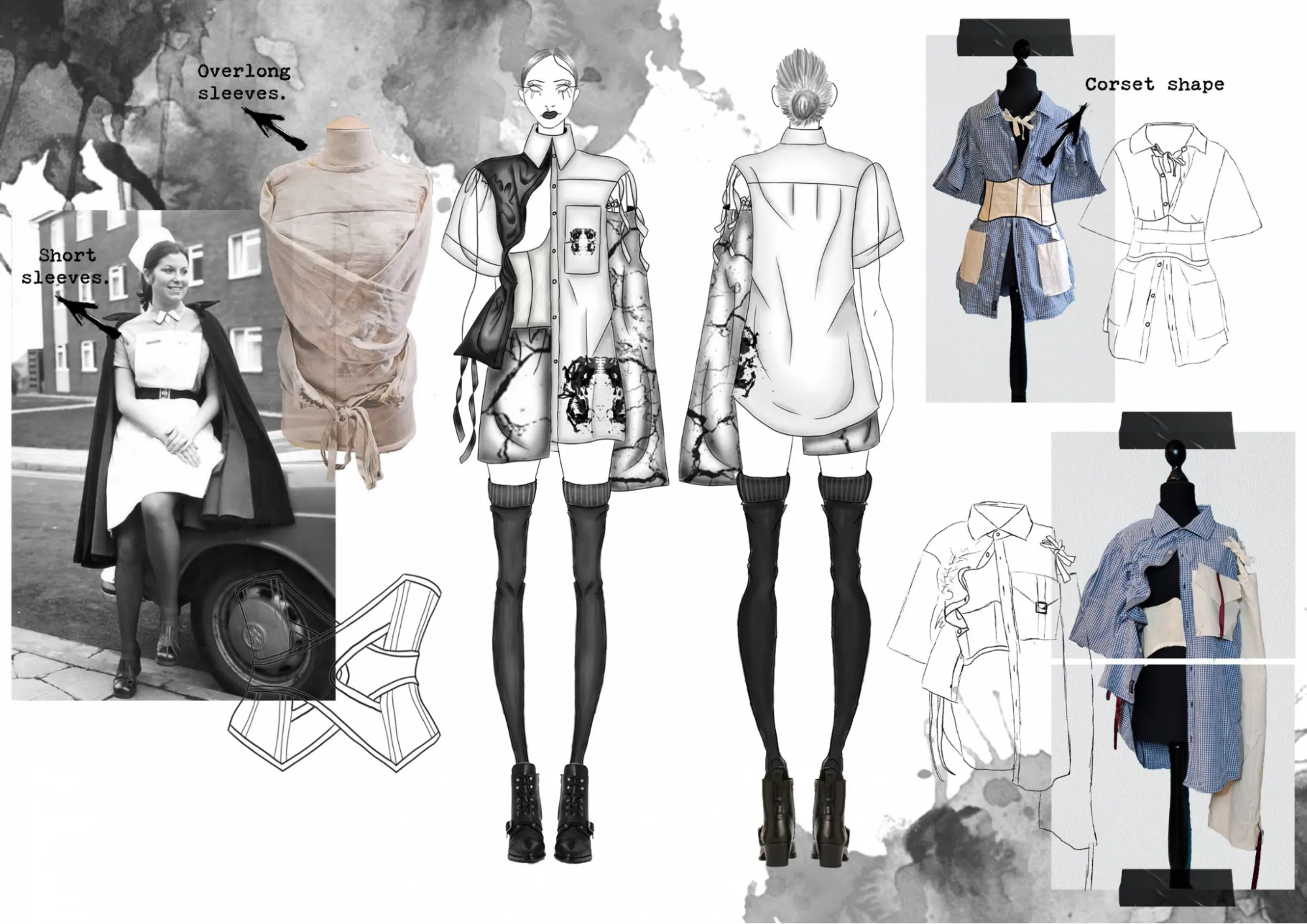
Fashion design is an art form that blends creativity, technical expertise, and business acumen—requiring far more than just a knack for drawing pretty clothes. Behind every iconic collection, every well-tailored garment, and every successful fashion brand lies a designer with a diverse set of skills that bridge imagination and execution. Whether you’re an aspiring designer just starting out or a seasoned professional looking to refine your craft, mastering these 10 essential skills is key to thriving in the competitive, ever-evolving world of fashion. These skills not only help you bring your creative vision to life but also ensure you can navigate the industry’s challenges and build a sustainable career.
1.Drawing and Sketching Abilities.
At the core of fashion design is the ability to translate ideas into visual form. Sketching—both by hand and digitally—is the foundation of every design, allowing you to communicate concepts, details, and silhouettes clearly. Hand sketching helps capture spontaneous ideas and refine proportions, while digital tools like Adobe Illustrator or Procreate enable precision, easy edits, and professional presentation. You don’t need to be a master artist, but you must be able to draw accurate human figures (croquis), render fabrics realistically, and convey texture, color, and fit through your sketches. This skill is your primary tool for sharing ideas with pattern makers, manufacturers, and clients.
2. Knowledge of Fabrics and Materials.
A great fashion designer understands that fabric is the soul of a garment. You must be familiar with different types of fabrics—natural (cotton, silk, wool, linen) and synthetic (polyester, nylon, spandex)—their properties, drape, durability, and how they behave when cut and sewn. Knowing which fabric works best for a particular design (e.g., a flowy dress vs. a structured blazer) is crucial to ensuring the final garment looks and feels as intended. Additionally, staying updated on new, sustainable fabrics (such as recycled polyester or mushroom leather) is essential in today’s eco-conscious fashion landscape.
3. Pattern Making and Sewing Skills.
While not all designers sew their own garments, a solid understanding of pattern making and sewing is non-negotiable. Pattern making is the process of creating a template (pattern) that translates your sketch into a wearable garment, accounting for measurements, fit, and fabric drape. Sewing skills allow you to test prototypes, make adjustments, and understand how different stitches, seams, and finishes affect the final product. Even if you work with a team of pattern makers and seamstresses, knowing these skills helps you communicate your vision more effectively and troubleshoot issues during production.
4. Color Theory and Color Matching.
Color is a powerful tool in fashion, capable of evoking emotions, setting trends, and defining a brand’s identity. A fashion designer must master color theory—understanding how colors interact, complement, and contrast with one another. You should be able to create cohesive color palettes that align with your design vision, seasonal trends, and target audience. Additionally, color matching skills are essential for ensuring consistency across fabrics, prints, and trims, as well as for adapting colors to different lighting conditions (e.g., how a fabric looks in natural vs. artificial light).
5. Attention to Detail.
Fashion design is in the details—from the stitching on a collar to the placement of a button, from the fit of a sleeve to the pattern alignment on a garment. A successful designer has a keen eye for detail, noticing even the smallest inconsistencies that could compromise the quality or aesthetic of a piece. This skill ensures that your designs are polished, professional, and free of errors, whether you’re creating a high-end couture gown or a ready-to-wear t-shirt. Attention to detail also extends to understanding sizing, fit, and how garments flatter different body types.
6. Creativity and Innovation.
Fashion is a creative industry, and standing out requires constant innovation and a unique perspective. You must be able to think outside the box, draw inspiration from diverse sources (art, culture, nature, history), and translate that inspiration into fresh, original designs. Creativity isn’t just about coming up with new ideas—it’s about reimagining existing trends, experimenting with new fabrics and techniques, and pushing the boundaries of what fashion can be. In a world saturated with designs, your ability to innovate will set you apart from the competition.
7. Technical Design and CAD Skills.
In today’s digital age, technical design skills and proficiency in computer-aided design (CAD) tools are essential. CAD software (such as Adobe Illustrator, CLO3D, or Gerber Accumark) allows you to create detailed, precise designs, develop digital prototypes, and simulate how a garment will fit and drape on a virtual model. Technical design also involves creating tech packs—detailed documents that include measurements, fabric specifications, sewing instructions, and trim details— which are critical for communicating with manufacturers and ensuring consistency in production.
8. Communication and Collaboration.
Fashion design is not a solo endeavor—it requires working with a team of pattern makers, seamstresses, manufacturers, buyers, stylists, and clients. Strong communication skills allow you to clearly articulate your vision, provide feedback, and listen to others’ input. Whether you’re presenting a collection to buyers, explaining a design to a pattern maker, or negotiating with a manufacturer, the ability to communicate effectively is key. Collaboration skills also help you build strong relationships with your team, adapt to different perspectives, and create designs that meet the needs of your clients and audience.
9. Business Acumen.
To succeed as a fashion designer, you need more than creative talent—you need basic business skills. This includes understanding the fashion market, identifying your target audience, analyzing trends, and pricing your designs appropriately. You should also be familiar with branding, marketing, and sales strategies, whether you’re launching your own line or working for a brand. Business acumen helps you make informed decisions, manage budgets, and navigate the commercial side of the industry, ensuring your designs are not just creative, but also profitable.
10. Adaptability and Resilience.
The fashion industry is fast-paced, ever-changing, and full of challenges—trends shift quickly, production delays happen, and designs may be rejected. A successful fashion designer must be adaptable, able to pivot when things don’t go as planned, and embrace new technologies and trends. Resilience is also crucial—you must be able to handle criticism, learn from failures, and stay motivated even when faced with setbacks. The ability to adapt and persist will help you weather the industry’s ups and downs and build a long-lasting career.
Mastering these 10 essential skills is a journey—one that requires practice, dedication, and a willingness to learn and grow. Fashion design is a balance of art and science, creativity and technical skill, and passion and practicality. By developing these skills, you’ll not only be able to bring your creative vision to life but also thrive in the competitive world of fashion. Whether you dream of designing couture, ready-to-wear, or sustainable fashion, these skills are the foundation of a successful career—helping you create designs that resonate, inspire, and stand the test of time.