
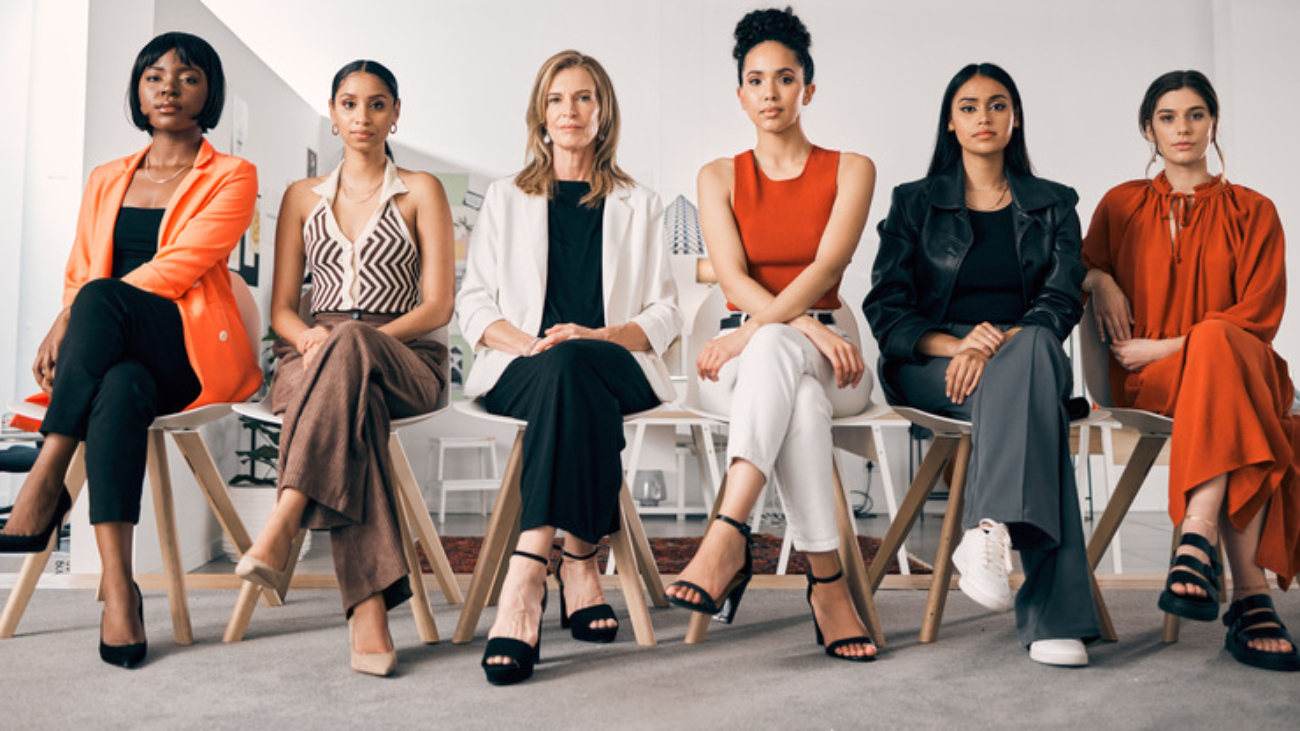
Fashion is far more than just clothing—it is a powerful force that shapes cultures, drives economies, and gives voice to individual identities. In the 21st century, this influence has only grown stronger, evolving beyond runways and luxury brands to permeate every corner of modern life. From the clothes we wear to work to the trends that go viral on social media, fashion dictates not just style, but also how we connect, communicate, and see the world. This article explores how fashion rules the globe in the 21st century, tracing its evolution, celebrating its innovations, and highlighting its role as a tool for personal expression—proving that fashion is not just an industry, but a cultural phenomenon that shapes our lives in ways we often overlook.
The 21st century has witnessed a remarkable evolution of fashion, breaking free from the rigid norms of the past to become more inclusive, diverse, and accessible. Once dominated by a handful of luxury brands and elite designers, fashion today is a democratic space where anyone can participate. The rise of fast fashion in the early 2000s made trendy clothing affordable for the masses, while the subsequent shift toward sustainable and ethical fashion in recent years reflects a global awareness of environmental and social responsibility. This evolution has also brought greater diversity to the industry: models of all sizes, ages, ethnicities, and genders now grace runways and campaigns, challenging traditional beauty standards and making fashion a more inclusive platform. Unlike the 20th century, where fashion was often dictated by a small group of insiders, the 21st century has turned fashion into a conversation—one that invites everyone to contribute and belong.
Innovation is at the heart of fashion’s global influence in the 21st century, merging technology, sustainability, and creativity to redefine what fashion can be. Technological advancements have revolutionized every aspect of the industry: 3D printing allows designers to create intricate, customizable pieces; virtual fashion shows and digital clothing (worn exclusively online) have emerged as new forms of expression; and AI-powered tools help brands predict trends, reduce waste, and personalize shopping experiences. Sustainability has also become a driving force of innovation, with designers and brands embracing eco-friendly materials (such as recycled polyester, organic cotton, and mushroom leather), circular fashion models (where clothes are designed to be reused or recycled), and zero-waste production methods. These innovations not only make fashion more environmentally responsible but also push the boundaries of creativity, proving that style and sustainability can coexist.
Perhaps the most powerful way fashion rules the world in the 21st century is through its role as a tool for personal expression. In a world where digital communication often lacks depth, clothing becomes a silent language—allowing individuals to express their personality, values, and identity without saying a word. Whether it’s a bold street-style look that challenges norms, a minimalist outfit that reflects calm and simplicity, or a cultural garment that honors one’s heritage, fashion gives people the power to shape how they are perceived and to connect with others who share their values. Social media has amplified this power: platforms like Instagram, TikTok, and Pinterest allow individuals to showcase their personal style, build communities around fashion, and even become influencers who shape global trends. For many, fashion is not just about looking good—it’s about feeling seen, heard, and authentic.
Fashion also wields enormous economic power, making it a global industry that drives growth and creates opportunities worldwide. The global fashion industry is worth trillions of dollars, employing millions of people—from farmers growing cotton to designers creating collections, from factory workers sewing garments to retail employees helping customers. It connects economies across continents: a cotton farm in India, a textile mill in Bangladesh, a design studio in Paris, and a retail store in New York are all part of the same global fashion ecosystem. While fast fashion has faced criticism for its impact on workers and the environment, the industry’s evolution toward sustainability and ethical practices is creating new economic opportunities, such as fair-trade jobs and eco-friendly businesses. Fashion’s economic influence also extends to tourism, with cities like Paris, Milan, and New York attracting millions of visitors each year who come to experience fashion’s culture and creativity.
Beyond personal expression and economics, fashion plays a vital role in shaping cultural and social movements. In the 21st century, fashion has become a platform for activism: designers use runways to raise awareness about issues like climate change, gender equality, and racial justice. For example, brands have released collections celebrating diversity, supporting LGBTQ+ rights, and advocating for environmental protection. Clothing has also become a symbol of solidarity—from wearing a pink ribbon for breast cancer awareness to donning a hoodie to support racial justice, fashion allows people to show their support for causes they care about. In this way, fashion is not just a form of self-expression, but a tool for change, uniting people around shared values and driving social progress.
In the 21st century, fashion is more than just a trend—it is a global force that evolves with the times, innovates with technology, and empowers individuals to express themselves authentically. It breaks down barriers, connects cultures, drives economies, and shapes social change. From the runways of Paris to the streets of Tokyo, from digital fashion to sustainable brands, fashion rules the world by reflecting who we are and who we want to be. It reminds us that clothing is not just fabric stitched together—it is a statement, a connection, and a celebration of individuality. As we move forward, fashion will continue to evolve, innovate, and inspire, proving that its influence is not just fleeting, but enduring. After all, fashion is not just about what we wear—it’s about how we live, connect, and make our mark on the world.