
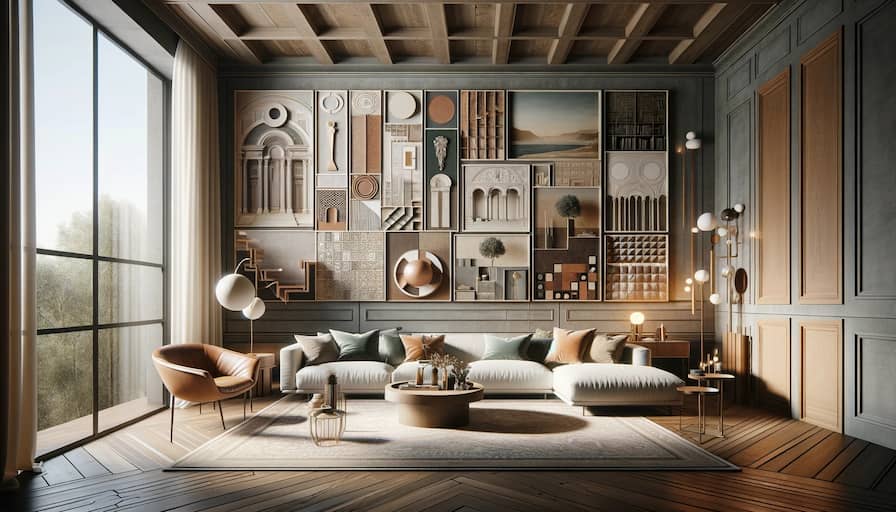
I used to think mixing furniture styles was a mistake—like, how could a modern sofa ever look good next to a vintage coffee table? I’d stick to one style, scared that mixing would make my space feel cluttered, chaotic, or just plain messy. For years, my living room was filled with all modern furniture—sleek lines, neutral colors, no personality—and it felt cold, sterile, and nothing like me. I’d scroll through interior design posts and see people mixing styles so effortlessly, and I’d wonder how they pulled it off. Last year, I finally worked up the courage to try it myself, and let’s just say: it was a learning curve. I made mistakes (like pairing a too-bulky vintage chair with a delicate modern desk), but I also discovered that mixing furniture styles is the secret to creating a space that’s unique, cozy, and full of character. This is my honest guide to mastering the art of mixing furniture styles—no fancy design degree required, just real tips from someone who’s been there, done that.
First, start with a “base“ style to keep things grounded. The biggest mistake I made at first was trying to mix too many styles at once—modern, vintage, bohemian, industrial—all in one room. It felt like a jumble of furniture with no rhyme or reason. The key is to pick one main style as your base, then add 1-2 accent styles to keep things interesting. For my living room, I chose modern as my base (I already had a modern sofa and TV stand that I loved), then added vintage and bohemian accents. This way, the space feels cohesive but not boring. Your base style should be the one that feels most “you”—if you love cozy, traditional pieces, make that your base; if you prefer sleek, modern designs, start there. The base style will anchor the room and prevent it from feeling chaotic.
Next, stick to a consistent color palette (this is non-negotiable). When mixing furniture styles, color is your best friend. Even if you have a modern sofa and a vintage chair, if they’re in the same color family, they’ll work together seamlessly. I used to think mixing styles meant mixing bright, clashing colors, but that just made the space feel overwhelming. Now, I stick to a neutral color palette (beige, gray, white) for my base furniture, then add pops of color with accent pieces (like a vintage rug, a bohemian throw pillow, or a colorful side table). For example, my modern beige sofa pairs perfectly with a vintage wooden coffee table (in a warm brown tone) and a bohemian pillow in soft blue. The consistent neutral base ties everything together, while the accent colors add personality. Pro tip: Stick to 2-3 main colors and 1-2 accent colors—any more than that will make the space feel cluttered.
Pay attention to scale and proportion (no oversized pieces next to tiny ones!). This is another mistake I made early on: I paired a huge, bulky vintage armchair with a tiny modern side table, and it looked ridiculous—like the table was being crushed by the chair. Scale and proportion are key to making mixed styles work. When choosing furniture, make sure the pieces are balanced in size. For example, if you have a large, modern sectional sofa, pair it with a medium-sized vintage coffee table (not too small, not too big). If you have a delicate modern desk, pair it with a sturdy vintage chair (not something too heavy or too light). I also like to mix textures to add depth—like a smooth modern sofa with a textured vintage rug, or a wooden vintage table with a sleek modern lamp. Textures help tie different styles together and make the space feel cozy and layered.
Mix old and new (the magic of contrast). The best part of mixing furniture styles is the contrast between old and new—it adds character and tells a story. I love pairing modern, sleek pieces with vintage, worn-in ones. For example, my modern TV stand (sleek black metal and glass) looks amazing next to a vintage wooden cabinet I found at a flea market (worn wood, intricate details). The contrast between the two styles makes both pieces stand out, and it gives the room a unique, lived-in feel. I also mix materials—metal, wood, fabric—to add more contrast. A modern metal chair with a vintage wooden table, or a vintage fabric sofa with a modern glass coffee table. Don’t be afraid to mix old and new—they complement each other perfectly.
Don’t forget accessories to tie everything together. Accessories are the glue that holds mixed furniture styles together. Even if your furniture pieces are different styles, the right accessories will make them feel cohesive. My go-to accessories are rugs, throw pillows, lamps, and wall art. For example, I have a vintage rug that has both neutral tones and pops of blue—this ties together my modern beige sofa, vintage wooden coffee table, and bohemian blue pillows. I also use wall art to connect different styles— a modern abstract painting next to a vintage framed print. Accessories are a great way to experiment with different styles without committing to expensive furniture pieces. I used to skip accessories, thinking they were “extra,” but they’re actually essential for making mixed styles work.
Embrace imperfection (it‘s okay if it‘s not “perfect“). I used to stress over making every piece match perfectly, but that’s the opposite of mixing styles. The beauty of mixing furniture styles is that it’s supposed to feel a little eclectic, a little lived-in, a little imperfect. If your vintage chair is a little wobbly, or your modern lamp doesn’t match your vintage table exactly—who cares? It adds character. I have a vintage side table that has a small scratch on the top, and I love it—it tells a story. Don’t be afraid to make mistakes; some of my favorite pieces in my home are ones that I thought “didn’t fit” at first. The key is to go with what feels good, not what looks “perfect” in a magazine.
Let’s talk about common mistakes to avoid (so you don’t make the same ones I did). First, don’t mix too many styles at once—stick to 2-3 styles max. Mixing 4 or more styles will make the space feel chaotic and unbalanced. Second, don’t ignore scale and proportion—oversized pieces next to tiny ones will look awkward. Third, don’t forget the color palette—clashing colors will ruin the cohesive feel. Fourth, don’t be afraid to edit—if a piece doesn’t feel right, move it or get rid of it. I had a bohemian rug that I loved, but it clashed with my vintage coffee table, so I swapped it for a neutral rug, and the space instantly felt better. Editing is key to creating a space that flows.
At the end of the day, mastering the art of mixing furniture styles is about being true to yourself. It’s not about following trends or copying what you see online—it’s about creating a space that feels like you, with pieces that you love, regardless of their style. My living room used to feel cold and sterile, but now it’s warm, cozy, and full of personality—all because I stopped being scared to mix styles. You don’t need expensive furniture or a design degree; you just need to trust your taste, stick to a few simple rules, and embrace imperfection. Mixing furniture styles is an art, not a science, and the best part is that there are no wrong answers—only what feels good to you. So go ahead, mix that modern sofa with that vintage chair, add a pop of color, and create a space that’s uniquely yours. You’ll be surprised at how amazing it looks (and feels).